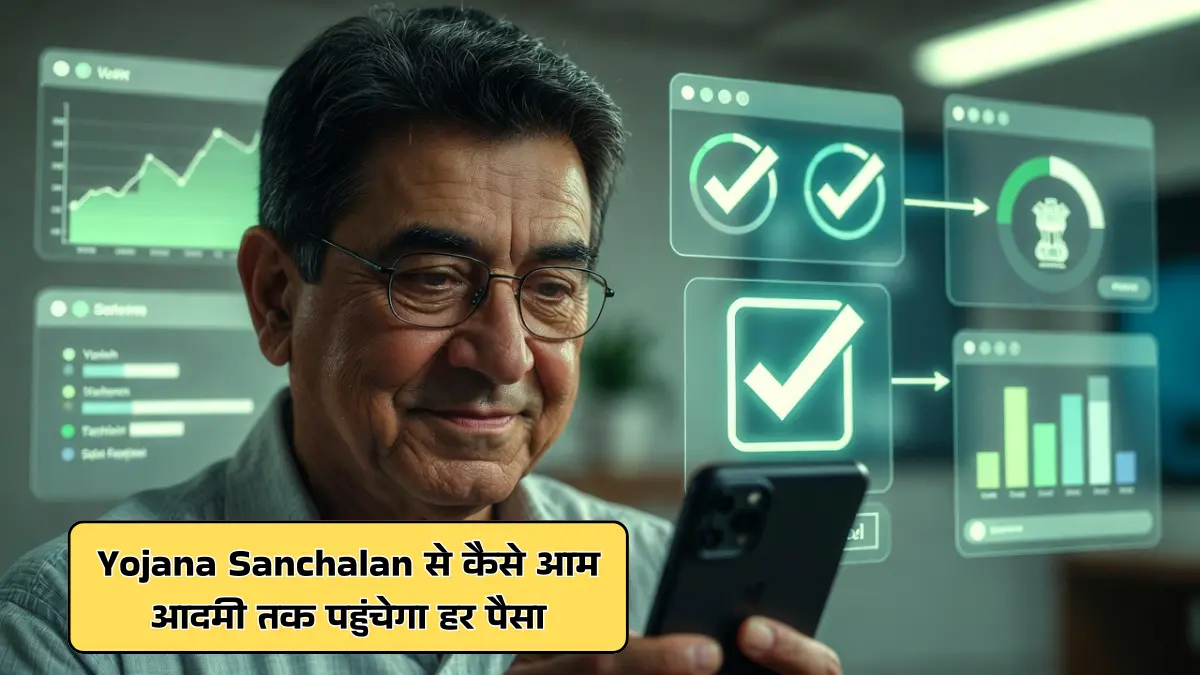
Yojana Sanchalan: भारत सरकार और राज्य सरकारें जनता के कल्याण के लिए सैकड़ों योजनाएं चलाती हैं, लेकिन इन योजनाओं की सफलता उनके सही संचालन पर निर्भर करती है। योजना संचालन का मतलब है किसी सरकारी योजना को plan करना, implement करना और monitor करना ताकि असली जरूरतमंदों तक लाभ पहुंचे। महंगाई के इस दौर में जब करोड़ों रुपये की योजनाएं चल रही हैं, तब पारदर्शी और प्रभावी संचालन बेहद जरूरी है। खराब संचालन से भ्रष्टाचार बढ़ता है, पैसे की बर्बादी होती है और असली लाभार्थी वंचित रह जाते हैं। आइए विस्तार से समझते हैं कि योजना संचालन क्या है, कैसे होता है और इसे बेहतर कैसे बनाया जा सकता है।
Yojana Sanchalan क्या है
योजना संचालन एक systematic process है जिसमें किसी government scheme को शुरू से लेकर अंत तक manage किया जाता है। इसमें पांच मुख्य stages होते हैं – Planning (योजना बनाना), Implementation (लागू करना), Monitoring (निगरानी), Evaluation (मूल्यांकन), और Modification (सुधार)। हर योजना के लिए एक nodal ministry या department जिम्मेदार होती है। वे guidelines बनाते हैं, budget allocate करते हैं, और state governments को funds release करते हैं। State level पर departments योजना को ground level पर implement करते हैं। District, Block और Gram Panchayat level पर officers इसे execute करते हैं। सही संचालन के लिए coordination, transparency और accountability जरूरी है।
Also Read




योजना संचालन के मुख्य चरण
Planning Stage: सबसे पहले समस्या की पहचान होती है – किस sector में, किस वर्ग को मदद चाहिए। फिर objective define होता है – योजना से क्या achieve करना है। Budget estimation और resource allocation किया जाता है। Target beneficiaries identify किए जाते हैं। Timeline तय होती है – कितने साल में पूरा होगा। Guidelines और eligibility criteria बनाए जाते हैं।
Implementation Stage: Scheme को officially launch किया जाता है। Awareness campaigns चलाए जाते हैं ताकि लोगों को पता चले। Application process शुरू होती है – online या offline। Beneficiary selection होता है – verification और scrutiny के बाद। Fund disbursement – लाभार्थियों को पैसे या सुविधाएं पहुंचाई जाती हैं। Field officers training दी जाती है।
Monitoring Stage: Regular progress reports लिए जाते हैं। Quarterly और annual reviews होते हैं। Physical और financial progress track की जाती है। Grievances और complaints का redressal। Random inspections और audits। Data collection और analysis। इसके लिए अब digital dashboards और MIS (Management Information System) use होते हैं।
पारदर्शी योजना संचालन के लिए क्या जरूरी है
सबसे पहले clear guidelines होनी चाहिए जो सबको समझ आएं। Application process simple और user-friendly हो। सभी information public domain में हो – websites पर, notice boards पर। Beneficiary selection transparent हो – lottery, merit basis, या clearly defined criteria। DBT (Direct Benefit Transfer) से पैसे सीधे beneficiary के account में जाएं, बिचौलियों की भूमिका खत्म हो। Regular audits हों – internal और external दोनों। Citizen feedback mechanism हो – लोग अपनी शिकायत दर्ज करा सकें। Social audit करवाया जाए जिसमें आम जनता participate करे। RTI (Right to Information) के तहत जानकारी उपलब्ध हो।
डिजिटल योजना संचालन
आजकल ज्यादातर schemes digital platforms पर चल रही हैं। Online applications से paperwork कम हुआ है। Aadhaar authentication से duplicate entries और fake beneficiaries रुक गए हैं। Real-time monitoring हो रही है – कहां कितना काम हुआ, कितना pending है। Mobile apps से beneficiaries अपना status check कर सकते हैं। Geo-tagging से physical verification आसान हो गया है। AI और data analytics से patterns identify हो रहे हैं – कहां leakages हैं। E-payments से transparency बढ़ी है। Grievance redressal portals से complaints fast resolve हो रही हैं। Video conferencing से coordination meetings आसान हो गई हैं।
योजना संचालन में आने वाली चुनौतियां
सबसे बड़ी problem awareness की कमी है – लोगों को पता ही नहीं कि कौन सी योजनाएं चल रही हैं। Digital divide – गांवों में internet access कम है, लोग online apply नहीं कर पाते। Corruption और middlemen – कुछ जगह commission मांगा जाता है। Fund delays – केंद्र से राज्य, राज्य से जिला, जिला से block – हर level पर delay होता है। Staff shortage – officers के पास बहुत काम है, proper monitoring नहीं हो पाती। Coordination issues – अलग-अलग departments के बीच तालमेल की कमी। Political interference – कभी-कभी genuine beneficiaries की जगह पार्टी workers को लाभ दे दिया जाता है। Documentation complexity – बहुत सारे certificates और papers की requirement।
बेहतर योजना संचालन के उपाय
Mass awareness campaigns जरूरी हैं – TV, radio, newspapers, social media सब platforms पर। Common Service Centres (CSCs) और help desks हर block में हों जहां लोगों को guidance मिले। Officials की regular training हो – नई schemes के बारे में, technology के बारे में। Third-party evaluation agencies लगाई जाएं जो independent assessment करें। Incentives और penalties system – अच्छा perform करने वाले officers को reward, negligence पर action। Convergence – multiple schemes को integrate करके deliver करना। People’s participation – Gram Sabhas में schemes की review हो। Whistleblower protection – जो गड़बड़ी expose करें उनकी सुरक्षा। Technology का maximum use – Blockchain, AI जैसी technologies से और improvement possible है।
नागरिकों की भूमिका योजना संचालन में
सरकारी योजनाओं की सफलता में नागरिकों की भी बड़ी जिम्मेदारी है। पहले खुद जानकारी हासिल करें – कौन सी schemes हैं, क्या eligibility है। Genuine need होने पर ही apply करें। सही documents submit करें, fake certificates न बनवाएं। अगर कोई गड़बड़ी देखें – कोई commission मांग रहा है, fake beneficiaries को फायदा मिल रहा है – तो complaint करें। Toll-free helplines, grievance portals, या अपने elected representatives को बताएं। RTI file करके information मांगें। Gram Sabha meetings में participate करें। Social audits में हिस्सा लें। Success stories share करें ताकि और लोगों को motivation मिले। धैर्य रखें – कभी-कभी process में time लगता है लेकिं legitimate हकदारी जरूर मिलती है। सरकार और नागरिक दोनों मिलकर काम करें तो योजनाओं का सही लाभ समाज के सबसे कमजोर वर्ग तक पहुंच सकता है।